Column
Hydraulic Pump Components Guide: Main Parts, Functions, and Failure Response
When construction machinery or industrial equipment is operated every day, hydraulic system problems and unexpected failures can occur, requiring quick action on site. Understanding the structure of a hydraulic pump and the role of each component makes it easier to make the right decisions about maintenance and repairs.
This article explains the main components of a hydraulic pump, common causes of failure, the risks of non-genuine
parts, the benefits of genuine parts, and the steps involved in requesting repairs from a specialist service
provider.
Use it as a reference for smoother on-site response and for reviewing maintenance costs.
Main Components of a Hydraulic Pump
A hydraulic pump functions through the coordinated operation of multiple components. Understanding the role of each part is essential for proper maintenance.
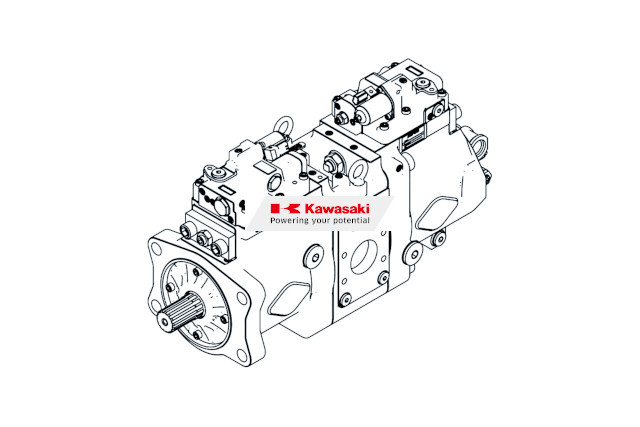
The pump is mainly made up of the following five components.
- External protective components for the pump body: the casing
- Bearings that support rotation
- A valve that controls hydraulic fluid flow: the valve plate
- Core components that push out hydraulic fluid: pistons and the cylinder block
- Sealing components that prevent oil leaks: oil seals and O-rings
Understanding how each component works will help you detect problems early.
Related Articles:Hydraulic Pump Replacement Guide: Cost, Timing, Procedures, and Maintenance Tips
External Protective Components for the Pump Body: The Casing
The external component that protects the body of a hydraulic pump is called the casing. It protects the precision
internal structure from external impact and contamination.
It is made from durable metals such as cast iron or aluminum alloy and is designed to withstand high pressure.
Thanks to the casing, the internal mechanism remains protected even in harsh jobsite environments, supporting safe
operation.
If the casing cracks or breaks, hydraulic fluid can leak out, and foreign matter can enter the pump, leading to
serious failure.
For this reason, make it a habit to visually inspect the casing for abnormalities during routine checks.
Related Articles:Hydraulic Pump Maintenance: Preventive Tips, Failure Signs, and Service Life
Bearings That Support Rotation
Bearings are components that smoothly transmit rotational energy from the engine or motor into the pump.
They support high-speed rotation while reducing friction, forming the foundation that allows the hydraulic pump to
operate efficiently.
Because bearings are constantly subjected to heavy loads, they tend to wear over long periods of use.
If they become scratched or damaged due to age-related deterioration, they can cause unusual noise or vibration.
If left unaddressed, bearing problems can interfere with the operation of the entire pump. When you notice any
abnormality, early inspection and replacement are key to preventing the damage from spreading.
A Valve That Controls Hydraulic Fluid Flow: The Valve Plate
The valve plate functions as a valve that controls the timing of hydraulic fluid intake and discharge inside the
pump.
It is manufactured with a high degree of precision so that high-pressure fluid can be directed properly.
When this component works correctly, power is transmitted to the arms and cylinders of construction machinery.
However, if fine debris or metal particles are mixed into the hydraulic fluid, the surface of the valve plate can
become scratched, reducing its sealing performance.
As a result, pressure may fail to build properly, preventing the machine from delivering its intended performance.
Keeping hydraulic fluid clean is therefore essential.
Related Articles:Hydraulic Pump Not Building Pressure? Causes, Troubleshooting Steps, and Repair Costs
Core Components That Push Out Hydraulic Fluid: Pistons and the Cylinder Block
The pistons and cylinder block are the core components that pressurize and discharge hydraulic fluid.
The pistons fit into the holes of the cylinder block and move back and forth repeatedly to send out hydraulic
fluid.
Construction machinery can lift heavy soil and materials because these components move smoothly and generate high
pressure.
Because these parts operate under heavy load, poor lubrication or excessive continuous operation can cause
seizure.
Once seizure occurs, replacement of the entire affected component assembly is usually unavoidable.
Operate the machine within the specified range and avoid placing it under excessive load for long periods.
Sealing Components That Prevent Oil Leaks: Oil Seals and O-rings
Sealing components such as oil seals and O-rings close gaps to prevent hydraulic fluid from leaking out of the
pump.
They are made from rubber or specialized resin and are installed at joints between components and around rotating
shafts.
These sealing components are affected by heat and pressure, so over time they gradually harden, crack, and
deteriorate.
If deterioration is left unaddressed, oil leaks can occur, contaminating surrounding equipment and reducing pump
pressure.
Because these parts are consumables, they should be replaced during regular maintenance or overhaul.
Hydraulic Pump Parts That Commonly Fail and Their Main Causes
To extend the service life of a hydraulic pump, it is useful to know in advance which areas are prone to trouble and why.
The following three causes are especially common.
- Wear-related deterioration of bearings and internal components
- Poor lubrication caused by contaminated hydraulic fluid
- Damage caused by foreign matter or excessive load
Understanding these causes will help you improve on-site inspection and prevent trouble before it occurs.
Related Articles:Hydraulic Pump Failure: Common Causes, Symptoms, and Troubleshooting Tips
Wear-Related Deterioration of Bearings and Internal Components
When a hydraulic pump is operated for long periods, internal components such as bearings and pistons, which rub
against each other at high speed, gradually wear down.
Because metal components move while remaining in contact with one another, age-related deterioration cannot be
completely avoided, even with proper management.
As parts wear down, the original clearances become larger, allowing pressure to escape. This can make machine movement
slower or reduce operating power.
As wear progresses, unusual noise or abnormal vibration that is not normally present may also occur.
Once you notice a change, inspect the pump early and replace worn components with new ones.
Poor Lubrication Caused by Contaminated Hydraulic Fluid
When hydraulic fluid becomes dirty or degraded, its lubricating performance declines, which can trigger pump
failure.
Hydraulic fluid oxidizes over long periods of use, producing contaminants known as sludge.
If this sludge accumulates inside the pump, it can restrict fluid flow and increase friction between components.
If operation continues under poor lubrication, components can overheat abnormally, seize, and cause the entire pump to
stop working.
To prevent this kind of trouble, regularly check the color and condition of the hydraulic fluid and replace it with
new fluid at the recommended interval.
Damage Caused by Foreign Matter or Excessive Load
If foreign matter such as sand, dust, or metal fragments enters the hydraulic fluid, it can seriously damage precision
components.
Even tiny particles can circulate through the pump together with high-pressure fluid and leave deep scratches on the
surfaces of valves and cylinders.
Excessive load, such as repeatedly lifting loads beyond the machine’s capacity or operating continuously for long
periods, can also cause damage.
When pressure exceeds the allowable range, components may crack or deform because they cannot withstand the load.
It is important to keep the work environment clean and operate the machine within its specifications.
The Risks of Non-Genuine Hydraulic Pump Parts and the Importance of Genuine Parts
When replacing parts, some people choose low-cost third-party, counterfeit, or imitation parts to reduce costs. However, using genuine parts is recommended.
Consider the issue from the following three perspectives.
- Early failure and adverse effects on surrounding components caused by non-genuine parts
- Maintaining equipment reliability and manufacturer warranty coverage
- Advantages from a lifecycle cost perspective
Let’s look at each point.
Early Failure and Adverse Effects on Surrounding Components Caused by Non-Genuine Parts
Aftermarket parts and low-cost remanufactured parts that are not genuine may reduce the initial purchase cost, but
their dimensions and materials may not meet the manufacturer’s standards.
Even slight differences in shape or insufficient material strength can cause parts to fail sooner than expected.
In addition, when one part breaks, fragments can scatter and damage surrounding components that were otherwise
functioning normally, affecting the entire hydraulic system.
This can expand the scope of the repair and stop operations for an extended period.
For this reason, it is safer to choose quality-assured parts.
Maintaining Equipment Reliability and Manufacturer Warranty Coverage
Genuine parts are supplied by the machine manufacturer after passing strict quality tests, making them highly
reliable.
They are manufactured to the same specifications as the original components, allowing the machine to regain its
intended performance after replacement.
In many cases, manufacturers require the use of genuine parts as a condition for warranty coverage.
If a failure occurs after non-genuine parts have been used, manufacturer support or warranty coverage may not apply,
leaving the full repair cost to the owner.
To continue using the machine with confidence, use parts specified by the manufacturer.
Advantages from a Lifecycle Cost Perspective
When looking not only at the initial purchase price but also at total long-term cost, genuine parts often have the
advantage.
Non-genuine parts may be inexpensive at first, but because their service life can be shorter, repeated replacement may
be required.
You also need to consider hidden losses, such as construction delays or penalties caused by unexpected machine
downtime.
Using high-quality genuine parts reduces the risk of failure and supports stable operation over a longer period.
As a result, it can reduce maintenance costs and losses caused by downtime, helping lower long-term operating costs.
Procedure for Requesting Hydraulic Pump Repair from a Service Provider
If a hydraulic pump develops a problem and it is difficult to handle in-house, requesting repair from a specialist service provider is the most reliable approach.
To make the process smoother, prepare according to the following three steps.
- Organize the machine model and details of the problem
- Contact a specialist service provider and explain the condition
- Review the quotation and request the repair
Understanding the process in advance helps reduce jobsite downtime and enables faster recovery.
Organize the Machine Model and Details of the Problem
Before requesting repair, check the machine model and the serial number stamped on the nameplate of the hydraulic pump
itself.
Because internal hydraulic specifications may differ even within the same machine model, the serial number is the most
reliable way to identify the correct part.
Record specific details such as when the problem started and what symptoms are occurring, including unusual noise, oil
leakage, or pressure loss.
If possible, take photos or videos of the abnormal area. This will help the service provider understand the situation
more clearly and provide more accurate advice.
Contact a Specialist Service Provider and Explain the Condition
Once you have organized the information, contact a specialist service provider with extensive experience repairing
hydraulic equipment, or contact the manufacturer’s support desk.
When making an inquiry by phone or email, provide the machine information and symptoms you have prepared in as much
detail as possible.
If you can send photos or videos, use them, as they often communicate the condition more clearly than a verbal
explanation alone.
Depending on the provider, they may be able to give instructions for temporary measures on the spot or determine
whether on-site repair is possible.
Review the Quotation and Request the Repair
After the provider checks the actual condition of the equipment, they will present the required repair work and a cost
estimate.
When you receive the quotation, review the breakdown carefully, including which parts will be replaced and whether an
overhaul is included.
If anything is unclear, ask the person in charge before proceeding. Confirming the details in advance helps prevent
problems later.
Once you are satisfied with the cost, lead time, and post-repair warranty terms, formally request the repair.
Summary: Deepen Your Knowledge of Hydraulic Pump Components and Carry Out Proper Maintenance
Stable operation of a hydraulic pump depends on the use of reliable genuine parts.
Although low-cost non-genuine parts are available on the market, they carry risks such as damage to surrounding
components and increased unexpected downtime.
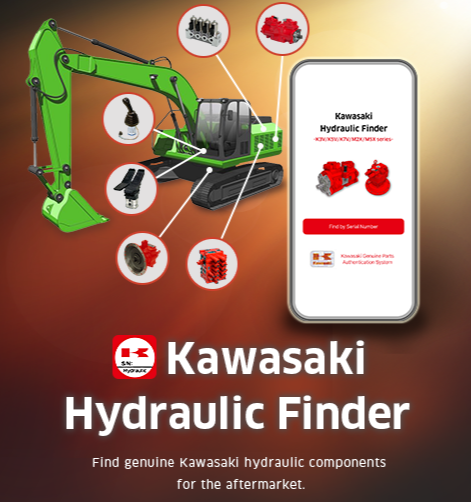
To confirm whether the parts you are currently using are genuine and to arrange the correct replacement parts, use
“Kawasaki Hydraulic Finder.”
By simply entering the serial number on the nameplate, you can identify genuine parts and confirm accurate
information.
This also helps you arrange parts smoothly through an authorized dealer, so be sure to make use of it.
Reviewed by

Ryoji Irie
Manager
After-Sales Promotion Office, Marketing & Sales Group, Precision Machinery & Robot Company, Kawasaki Heavy Industries, Ltd.
《Career History》
After joining Kawasaki Heavy Industries, I spent ten years developing the new K7V pump series as a design engineer, followed by five years at KPM (UK) as an application engineer supporting European OEMs and distributors. I am currently responsible for promoting the after-sales business globally.